Facilities Management runs in the background of everyday life. When it works, people barely notice. When it fails, everything stops.
Reliability is the difference between a building that supports the people inside it and a building that creates disruption.
It affects safety, comfort, productivity, compliance, and cost.
That’s why reliable Facilities Management sits at the heart of well-run organisations.
Schools need safe environments that stay open. Hospitals need systems they can trust.
Offices need consistent heating, lighting, ventilation, and connectivity.
If any one of those fails, the knock-on impact hits staff, users, and budgets immediately.
Reliability in Facilities Management comes from good systems, good people, and a plan.
What Reliability Looks Like Day to Day
Reliable FM means things work when they’re meant to.
Heating stays stable in winter. Cooling supports occupied spaces in summer. Hot water remains consistent. Lighting stays safe. Emergency systems operate correctly. Access and security systems function without drama. Data and connectivity support modern work.
It also means fewer surprises. Fewer urgent call-outs. Fewer “we’ll patch it for now” fixes that return in three months.
Reliable buildings reduce stress for everyone. They allow teams to focus on what they’re there to do.
Reactive Maintenance Costs More Than You Think
A lot of Facilities Management still gets driven by breakdowns.
Something fails, someone phones for help, someone rushes out to get the help, and the cycle repeats.
That approach might feel normal until you add up the true cost.
Reactive maintenance drives downtime.
It disrupts staff and building users. It creates rushed decision-making and it often leads to repeat issues because people solve symptoms rather than causes.
Planned Preventative Maintenance changes that dynamic because it keeps systems efficient.
Proper planning extends asset life, it reduces energy waste and it protects compliance.
Most importantly, it gives you control.
In Facilities Management, control is reliability.
Integrated Services Reduce Risk
Facilities rarely rely on one system at a time. Mechanical and electrical services interact constantly.
For example, HVAC loads affect electrical demand. Controls link into Building Management Systems. Fire safety relies on power and monitoring. Renewables connect into existing infrastructure.
When different contractors handle different parts, gaps appear.
Communication breaks down, and responsibility becomes blurred, meaning small issues become bigger ones.
Integrated mechanical and electrical support creates clarity and reduces friction.
It therefore improves decision-making, it speeds up resolution because one team sees the full picture.
Reliability Now Includes Security and Data
Facilities Management has changed.
Buildings now depend on digital systems that control heating, ventilation, monitoring, access, alarms, and energy use, so reliability today includes connectivity and cyber resilience.
A building can look fine on the surface and still carry risk through outdated systems, weak access controls, or poorly managed infrastructure.
If security fails, operations suffer and so does trust with your service users.
Reliable FM protects the physical building and the systems behind it.
People Make Reliability Possible
Technology supports reliability, but people deliver it.
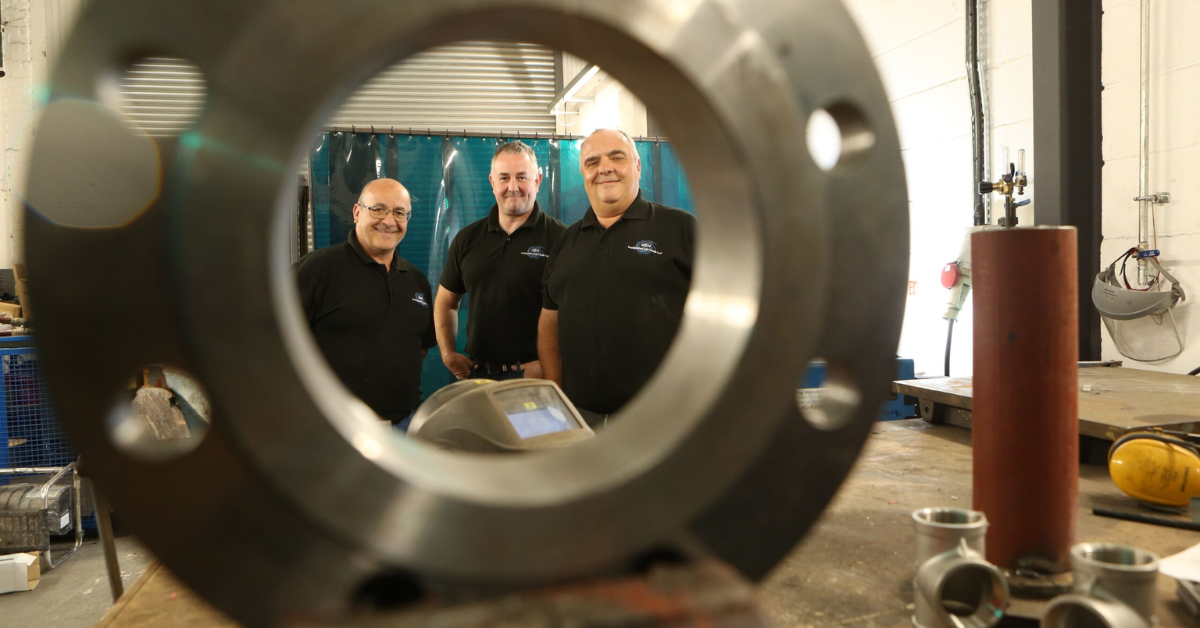
Skilled engineers diagnose problems quickly, prevent repeat issues, and keep systems running safely.
Training, apprenticeships, and ongoing development matter because the built environment keeps evolving.
Yet the engineering skills gap is real.
Facilities teams feel the pressure when they struggle to find reliable support or specialist expertise.
Businesses that invest in people protect their own standards while strengthening the sector for the future.
Why Reliability Builds Long-Term Value
Reliable Facilities Management gives organisations confidence to go about their day to day.
It keeps buildings operational, supports compliance and improves user experience.
Ultimately it reduces avoidable spend.
It also strengthens reputation because tenants, staff, and customers notice when a building feels well run.
They feel it in comfort, safety, and consistency.
At ASH Integrated Services, reliability means we’re not just turning up when something breaks. It means planning, prevention, fast response, and joined-up engineering support that keeps buildings running properly.
Reliability is the foundation on which everything else depends, and reliable Facilities Management starts with the right partner.
If you’re reviewing your building services or planning ahead, we’d be happy to talk through your challenges and priorities.
Contact ASH Integrated Services today to explore how we can support you.