Experience doesn’t arrive all at once. It builds slowly through the projects delivered, the problems solved, mistakes made, and the lessons carried forward.
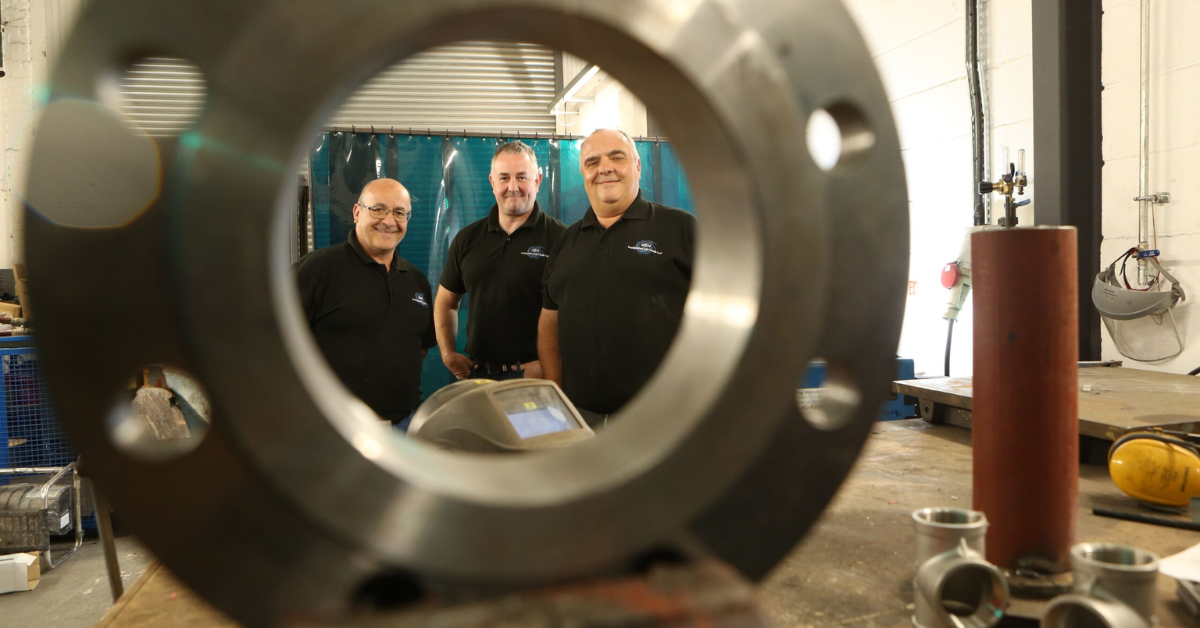
Between the three directors at ASH Integrated Services, there is more than 100 years of combined experience across mechanical and electrical engineering.
That span covers everything from complex infrastructure installations to local community projects, across sectors including education, housing, healthcare, commercial buildings, manufacturing, and hospitality.
While technology has transformed the industry over those decades, some lessons remain constant.
Others have evolved alongside the changing demands of buildings, clients, and society.
Together, they shape how the business operates today.
Engineering Is About People First
One of the clearest lessons is that technical knowledge alone is never enough.
Engineering is fundamentally about people. Buildings serve people, and projects succeed because of collaboration, communication, and trust.
The ability to listen, adapt, and work alongside clients and contractors matters just as much as technical capability.
Relationships built on honesty and transparency consistently lead to stronger outcomes.
Practical Experience Builds Credibility
Another enduring lesson is that hands-on understanding builds credibility.
All three directors began their careers on the tools, and that practical grounding continues to influence decision-making today.
It allows recommendations to come from lived experience rather than theory. Clients recognise that.
It builds confidence because advice reflects real-world implications, rather than specification sheets.
Adaptability Keeps You Relevant
The industry has also taught the value of adaptability.
Mechanical and electrical engineering today looks very different from twenty years ago.
Digital systems, smart controls, renewable technologies, and integrated infrastructure have changed expectations and complexity.
Experience provides context, but staying relevant requires continuous learning.
Businesses that stand still fall behind.
Those that invest in training, new capabilities, and emerging technologies build resilience.
Preparation Always Outperforms Shortcuts
Another insight gained over decades is that shortcuts rarely save time.
Quality planning, coordination, and attention to detail consistently outperform reactive approaches.
When projects run smoothly, it often reflects preparation that happened long before work began on site.
Experience reinforces the importance of asking the right questions early, identifying risks, and building realistic programmes.
Success Is Measured Over the Long Term
Long-term perspective reshapes how success is measured. It is no longer just about completing installations.
Clients now expect reliability, lifecycle value, compliance assurance, and energy performance.
Engineering has become more strategic. Supporting buildings over time matters just as much as delivering them initially.
Passing Knowledge Forward
Perhaps the most important lesson is the responsibility to pass knowledge forward.
A significant portion of the workforce that built today’s industry is approaching retirement. Protecting that experience means mentoring apprentices, supporting training pathways, and engaging with education providers.
Developing future engineers is essential for sector stability.
This perspective continues to influence ASH’s and, particularly, Antony’s involvement in schools, colleges, apprenticeships, and advisory boards.
Experience carries more weight when it is shared.
Built on Experience, Focused on the Future
After more than a century of combined learning, the conclusion is simple: engineering is always evolving, but the foundations remain steady.
Invest in people. Stay curious. Plan thoroughly. Deliver honestly. Support the next generation.
Those principles guide the business today, just as much as any technical specification.
Contact ASH Integrated Services and start the conversation about your project today.
You’ll talk to a team that combines decades of hands-on industry knowledge with modern engineering capability.